Hidden in
Plain Sight
Savannah's free and enslaved people of color
The homes they purchased, the businesses they ran and the slaves they owned
Behind Savannah's moss curtain lie two histories
- One history occupies the spotlight
- The other remains in the shadows
Once you see it, you can't unsee it
Savannah's history is often told in black and white—slave and free, wealthy and poor, powerful and powerless.
The reality was far more complicated.
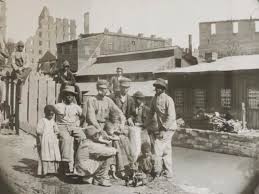
Hidden behind the city's familiar landmarks is a less familiar story: a community of nominal slaves and free people of color—men and women who acquired property, built successful businesses, practiced skilled trades, and helped shape the economic life of the city. Some navigated the complex dilemma of being slaveowners themselves, often purchasing family members to protect them from sale and preserve family ties. Others purchased enslaved laborers to support their businesses and livelihoods. Their achievements challenged the boundaries of a society built on racial hierarchy, yet their freedom remained fragile and incomplete.
Free people of color, lived in a world of extraordinary achievement and constant uncertainty. They negotiated life in a system of being free…but not really.
These tours explore the lives, homes, businesses, churches, workplaces, and communities of people whose stories have long remained hidden in plain sight. Through their experiences, a more complete—and more complicated—history of Savannah emerges.